IMF Analyzes Economic Impact of Conflicts and Recovery Dynamics
QuoteReporter
IMF Analyzes Economic Impact of Conflicts and Recovery Dynamics
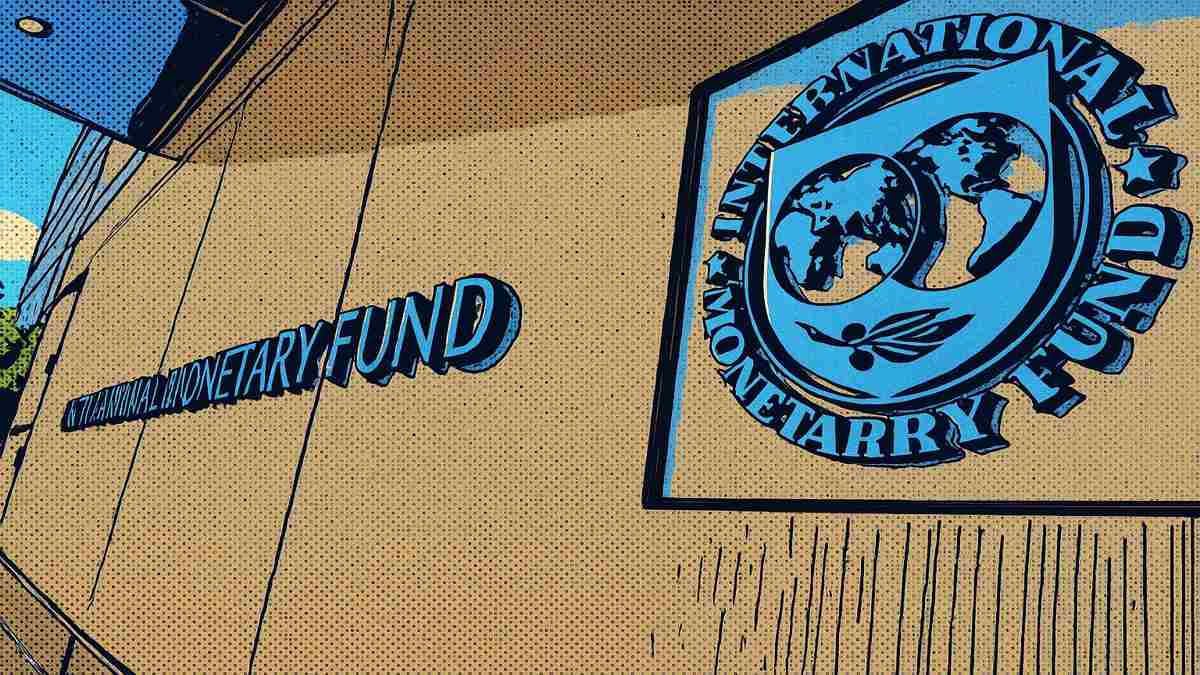
The International Monetary Fund (IMF) has released a comprehensive working paper titled "Macroeconomics of War and Recovery," which delves into the economic repercussions of conflicts and the subsequent recovery processes. Authored by a team of economists including Hippolyte W. Balima and Colombe Ladreit, the paper leverages a newly compiled global dataset covering 194 countries from 1946 to 2024. The analysis highlights the profound economic disruptions caused by conflicts and the challenges faced during recovery.
The IMF's findings underscore the severe output losses associated with conflicts, which often surpass those linked to financial crises and natural disasters. The study also emphasizes the critical role of external-sector dynamics in exacerbating macroeconomic challenges during wartime. Furthermore, the paper notes that post-conflict recoveries are typically slow and uneven, heavily reliant on the sustainability of peace. The IMF's research provides valuable insights into the macroeconomic dynamics at play during and after conflicts, offering a framework for policymakers to better understand and address these challenges.
Key Details
According to the IMF working paper, output losses from conflicts are notably higher than those from banking, currency, and sovereign debt crises, as well as severe natural disasters. The study identifies external-sector dynamics as a central mechanism through which wars amplify macroeconomic challenges, despite efforts by policymakers to mitigate the impact. The paper also highlights that post-conflict recoveries are labor-led, with capital accumulation and productivity remaining subdued. Firm-level evidence supports this finding, pointing to persistent financial constraints that hinder capital rebuilding during the post-conflict period.
Geopolitical & Economic Context
The IMF's analysis is set against a backdrop of numerous global conflicts that have shaped economic landscapes over the decades. The study's dataset includes 170 conflict onsets and 158 conflict terminations, providing a broad view of the economic impacts across different regions and time periods. The findings are particularly relevant for countries currently experiencing or emerging from conflict, as they navigate the complex path to economic recovery. The paper's insights into the slow and uneven nature of post-conflict recoveries underscore the importance of sustained peace and effective policy interventions to foster economic stability and growth.
What to Watch Next
While the IMF working paper provides a detailed analysis of the macroeconomic dynamics of conflicts and recovery, it also sets the stage for further research and policy discussions. The IMF is likely to continue monitoring the economic impacts of ongoing and emerging conflicts, providing updates and recommendations as new data becomes available. Policymakers and stakeholders will be keenly watching for future IMF reports and analyses that build on this foundational work, offering guidance on how to effectively manage and mitigate the economic challenges posed by conflicts.
Disclaimer
The content on MarketsFN.com is provided for educational and informational purposes only. It does not constitute financial advice, investment recommendations, or trading guidance. All investments involve risks, and past performance does not guarantee future results. You are solely responsible for your investment decisions and should conduct independent research and consult a qualified financial advisor before acting. MarketsFN.com and its authors are not liable for any losses or damages arising from your use of this information.
Related Articles
- - US Futures Flat as Markets Await Catalysts — - US Futures Flat as Markets Await Catalysts US Pre-Market Briefing | September 07, 2026 Market Commentary **US…
- KOSPI Surges 4.61% Amid Mixed Signals in Asian Markets — KOSPI Surges 4.61% Amid Mixed Signals in Asian Markets Note: This analysis covers the Asian trading session close for…
- DAX Declines 0.23% as USD/JPY Drops 1.19% in European Session — DAX Declines 0.23% as USD/JPY Drops 1.19% in European Session European Trading Session Report | September 07, 2026 |…
- Euro Stoxx 50 Gains 0.22% Amid Mixed Currency Movements — Euro Stoxx 50 Gains 0.22% Amid Mixed Currency Movements European Trading Session Report | September 05, 2026 | Analysis…
- European Markets Mixed: EuroStoxx 50 Up 0.21% — Cautious Optimism Amid US Declines. — 🌍 European Markets Mixed: EuroStoxx 50 Up 0.21% — Cautious Optimism Amid US Declines. European markets approaching…