IMF Analyzes Capital Flows into Low-Income Countries Amid Global Financial Cycles
QuoteReporter
IMF Analyzes Capital Flows into Low-Income Countries Amid Global Financial Cycles
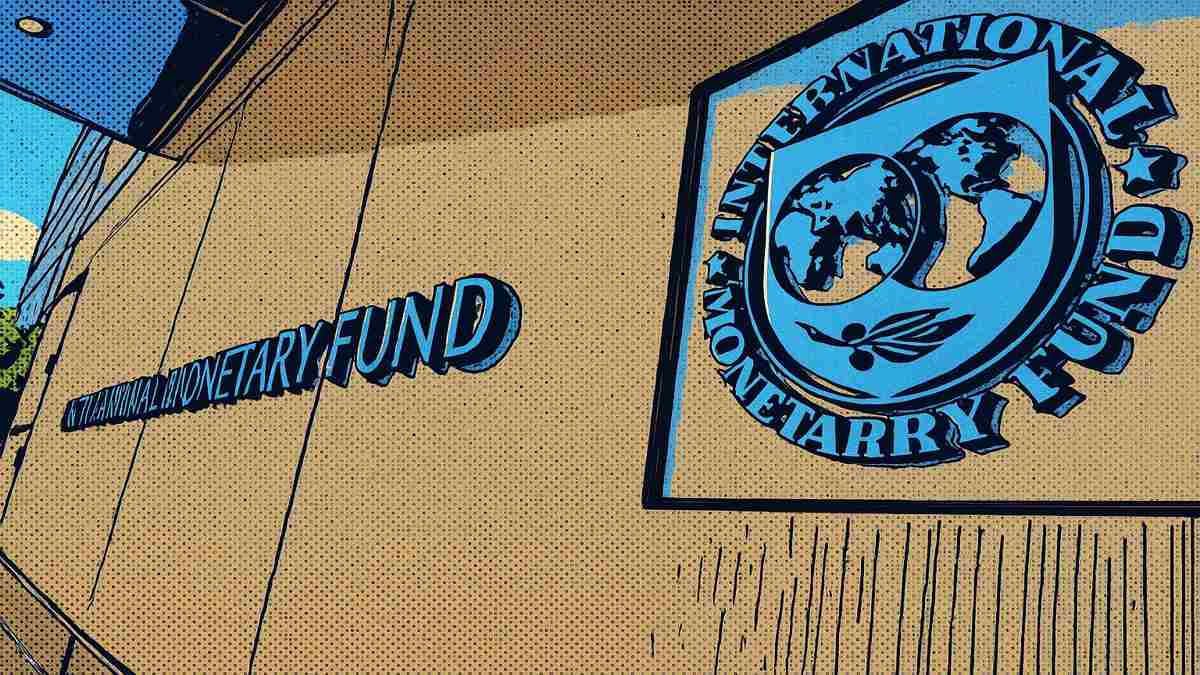
The International Monetary Fund (IMF) has released a working paper titled "Riding the Global Financial Cycle: How Capital Flows into LICs," dated August 2026. This document, identified as WP/26/179, delves into the dynamics of capital flows into low-income countries (LICs) and their susceptibility to global financial cycles. The IMF's analysis provides insights into how these nations can better manage and benefit from international capital movements.
According to the IMF, understanding the patterns of capital flows is crucial for LICs as they navigate the complexities of global financial integration. The paper highlights the importance of developing robust financial systems and implementing sound macroeconomic policies to mitigate potential risks associated with volatile capital movements. The IMF emphasizes that while capital inflows can support economic growth, they also pose challenges, particularly in terms of financial stability and exchange rate volatility.
Key Details
The IMF's working paper underscores several key observations regarding capital flows into LICs. It notes that these countries often experience heightened vulnerability to global financial cycles due to their relatively smaller and less diversified economies. The IMF highlights that capital inflows can lead to significant economic benefits, such as increased investment and growth. However, they also bring about challenges, including potential overheating of economies and increased exposure to external shocks.
The Fund points out that LICs need to strengthen their financial infrastructure and regulatory frameworks to better manage these capital flows. The paper suggests that adopting flexible exchange rate regimes and building foreign exchange reserves can help cushion the impact of sudden capital flow reversals. Additionally, the IMF recommends enhancing transparency and data collection to improve the monitoring of capital movements.
Geopolitical & Economic Context
Low-income countries, often characterized by limited access to international capital markets, face unique challenges in managing capital flows. These nations are typically more susceptible to external economic shocks due to their dependence on a narrow range of exports and limited fiscal space. The IMF's analysis is particularly relevant in the context of recent global economic uncertainties, which have heightened the volatility of capital flows.
Historically, LICs have struggled with the dual challenge of attracting sufficient foreign investment while managing the risks associated with capital flight. The IMF's recommendations aim to equip these countries with the tools necessary to harness the benefits of capital inflows while minimizing potential downsides. This is especially pertinent as global financial conditions continue to evolve, impacting the flow of capital across borders.
What to Watch Next
The IMF's working paper suggests that ongoing monitoring and analysis of capital flows into LICs will be crucial in the coming months. The Fund is expected to continue its research and provide further guidance on best practices for managing these flows. Additionally, upcoming IMF reviews and reports may offer more detailed insights into the specific challenges and opportunities faced by individual low-income countries.
Stakeholders, including policymakers and financial institutions, will be closely watching for any updates from the IMF that could influence their strategies and decision-making processes. As global financial conditions remain dynamic, the IMF's continued focus on capital flows into LICs will be a critical area of interest for both domestic and international economic actors.
Disclaimer
The content on MarketsFN.com is provided for educational and informational purposes only. It does not constitute financial advice, investment recommendations, or trading guidance. All investments involve risks, and past performance does not guarantee future results. You are solely responsible for your investment decisions and should conduct independent research and consult a qualified financial advisor before acting. MarketsFN.com and its authors are not liable for any losses or damages arising from your use of this information.
Related Articles
- DAX Declines 0.5% as European Markets React to Mixed FX Movements — DAX Declines 0.5% as European Markets React to Mixed FX Movements European Trading Session Report | September 01, 2026…
- Stocks Retreat as Dow Drops 370 Points Amid Iran Tensions; Oil Surges 3% — Stocks Retreat as Dow Drops 370 Points Amid Iran Tensions; Oil Surges 3% U.S. equities closed mixed on Monday as…
- European Markets Slip: EuroStoxx 50 Down 0.69% — Cautious Sentiment Prevails. — 🌍 European Markets Slip: EuroStoxx 50 Down 0.69% — Cautious Sentiment Prevails. European markets approaching close…
- European Markets Mixed: FTSE 100 Up 0.29% While DAX Falls 0.87% — Diverging Trends Persist. — 🌍 European Markets Mixed: FTSE 100 Up 0.29% While DAX Falls 0.87% — Diverging Trends Persist. European markets…
- S&P/NZX 50 Rallies as Asian Markets React to Regional Developments — S&P/NZX 50 Rallies as Asian Markets React to Regional Developments Note: This analysis covers the Asian trading session…